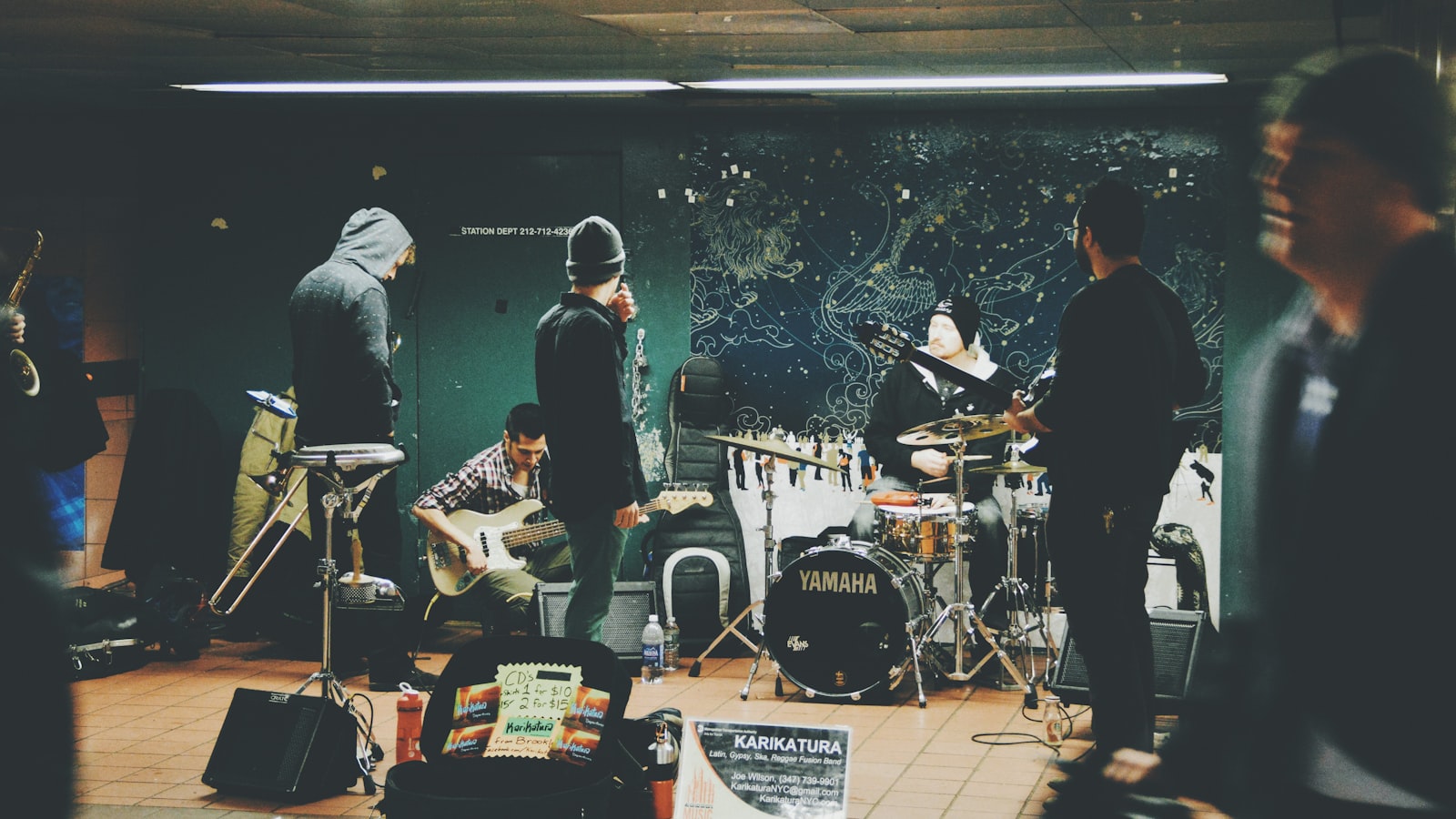
One of the first practical questions every beginner faces is how to actually learn — do you teach yourself from the endless free material online, or do you pay a real person to guide you? It's a genuine fork in the road, and both paths lead to people who play well. But they get there differently, and the right choice depends on your budget, your temperament, and how well you can be honest with yourself about what you're doing.
I learned the self-taught way, and I did it badly for a long time before I understood why. This guide lays out the real trade-offs without pretending either option is perfect. We'll look at what online learning does well, what a teacher gives you that videos can't, the trap that catches most self-taught beginners, and a middle path that gets you most of the benefits of both.
What learning online does brilliantly#
The case for teaching yourself online is strong, and it's why so many people start there. The sheer volume of free, high-quality material available now would have been unimaginable a generation ago — structured courses, song tutorials, technique breakdowns, and communities of learners, much of it excellent and much of it free. For a beginner testing whether this hobby will stick, that's a low-risk way in.
The advantages go beyond cost. You learn on your own schedule, at your own pace, without booking anything or leaving the house. You can replay a tricky part twenty times without feeling you're wasting anyone's time, pause to make coffee, and pick songs that interest you rather than ones assigned to you. For self-directed people who enjoy figuring things out, this freedom is genuinely motivating.
The internet has made the raw information of music almost free. What it hasn't made free is the one thing a beginner needs most — someone watching you play and telling you the specific thing you're doing wrong right now.
That gap is the catch, and it's worth understanding before you commit to going it alone. Free information is not the same as good feedback, and the difference matters more than beginners expect.
What a teacher gives you that a screen can't#
A good teacher's real value isn't the information — you can get that anywhere. It's that they watch you, specifically you, and correct what they see in real time. A video can show you the right way to do something; it can't notice that your wrist is tensed, your timing drifts in one particular spot, or you're gripping too hard. A teacher catches these things in the moment, before they harden into habits.
That personal feedback loop is the whole point, and it produces a handful of benefits that self-study struggles to match:
- Real-time correction of technique before small errors become ingrained.
- A learning path tailored to your goals, your pace, and your specific weak spots.
- Accountability — a scheduled lesson you've paid for is a strong reason to practice.
- Answers to your exact questions, rather than hoping a video happens to cover them.
- Encouragement from someone who can see the progress you're too close to notice.
The accountability piece is underrated. Many beginners practice more consistently simply because a lesson is coming and they don't want to show up having done nothing. The cost is obvious — lessons are a real expense and require scheduling — but you're paying for something specific and valuable: a shortcut past the mistakes that slow self-taught players down.
The trap of learning entirely alone#
Here's the honest warning I wish I'd had. The biggest risk of the fully self-taught route isn't that you learn slowly — it's that you learn wrong, comfortably, for months, and don't find out until the bad habits are baked in. Poor technique, sloppy timing, tension in the hands: these feel fine while you're building them and become genuinely hard to undo later.
Unlearning is much harder than learning. A habit you've repeated a thousand times over three months has to be broken and rebuilt, which is slow, frustrating, and demoralising in a way that learning it right the first time never would have been. I spent years playing with problems I didn't know I had, because there was no one to point them out, and untangling them later cost me more time than a few early lessons would have.
None of this means self-teaching is doomed. It means the self-taught learner has to work harder at self-awareness — recording yourself and watching critically, comparing your playing carefully against good examples, and staying humble about the parts that feel awkward. If something consistently feels like a fight, that's often a sign of a technique problem worth getting a second pair of eyes on. Whichever instrument you've landed on, and if you're still deciding, how to choose your first instrument can help — the risk of self-taught bad habits is real, so build in some way to check yourself.
The blend most beginners should choose#
For most people, the smartest answer isn't either-or. It's a blend that takes the affordability and flexibility of online learning and adds just enough real feedback to keep you on the rails. You don't need weekly lessons forever to get the benefit of a teacher.
A practical version looks like this: do most of your day-to-day learning and practice with online material, which keeps costs down and fits your schedule, then book occasional lessons — even one every few weeks, or a short block when you're starting out — to have a teacher check your technique, correct anything drifting, and point you toward what to work on next. You get the economy of self-study and the correction of real teaching, without the full expense of ongoing lessons.
The early lessons are the ones that pay off most, because that's when good habits are cheap to build and bad ones are cheap to avoid. Even a handful of sessions at the very start can set your foundation straight and save you the months of unlearning that catch purely self-taught beginners. After that, you can lean more on self-study with the confidence that you're building on solid ground.
Choosing what fits your life#
Strip it back and the decision comes down to a few honest questions. What can you afford? How disciplined and self-aware are you on your own? How much does real-time feedback matter to you against flexibility and cost? There's no universal right answer — only the one that fits your budget, your temperament, and the way you actually learn.
If money is tight and you're genuinely self-directed, start online and add a lesson or two when you can. If you can afford it and you know you thrive with structure and accountability, a teacher will get you further faster. And if you're somewhere in between, blend the two and enjoy the best of both. Whatever you choose, the thing that matters most isn't the method — it's that you start, and keep going. If you're ready for that part, how to start learning music from scratch is where to point yourself next.